

Appointments
+(603) 5515 1966
General Line
+(603) 5515 1888

 July 8, 2026

In recent years, parents, paediatricians, and public health experts have increasingly questioned the safety of artificial food colouring in children’s diets. From brightly coloured candies to breakfast cereals and soft drinks, synthetic dyes are everywhere in modern processed foods. While they make products more visually appealing, growing evidence suggests these additives may affect children’s health in ways we can no longer ignore.
This article explores the science behind artificial food colouring, its potential impact on children’s behaviour, attention, and overall well-being, and what families can do to make informed dietary choices.
Artificial food colouring refers to synthetic dyes added to food and beverages to enhance or restore colour. These dyes are chemically produced and commonly found in processed foods such as:
In Malaysia, popular local snacks and drinks often contain these additives to maintain vibrant appearances that appeal to children. Common synthetic dyes include:
These dyes are approved for use by food safety authorities in many countries, including Malaysia’s National Pharmaceutical Regulatory Agency (NPRA) under the Ministry of Health. However, approval does not always mean risk-free, especially for sensitive populations like children.
Children’s developing bodies process chemicals differently than adults. Their metabolic systems are still maturing, and their exposure to food additives per kilogram of body weight is often higher due to smaller size and higher food intake relative to body mass.
Additionally, children are frequent consumers of processed foods which are the types of products most likely to contain artificial colouring. From birthday party treats to school truck shop snacks, these dyes are hard to avoid.
One of the most debated topics in paediatric nutrition is whether artificial food colouring contributes to behavioural issues in children, particularly hyperactivity and attention problems.
A landmark study published in The Lancet in 2007 found that a mixture of artificial food colours and the preservative sodium benzoate was associated with increased hyperactivity in children aged 3 and 8–9 years. The study concluded that these additives could negatively affect behaviour even in children without diagnosed ADHD.
Since then, several follow-up studies and meta-analyses have supported these findings. While not all children are affected equally, a subset appears to be particularly sensitive to synthetic dyes.
In response, the European Food Safety Authority (EFSA) mandated warning labels on foods containing certain artificial colours:
“May have an adverse effect on activity and attention in children.”
Although this regulation is not currently enforced in Malaysia, it has prompted discussions among local health professionals about food labelling and children’s dietary safety.
Attention Deficit Hyperactivity Disorder (ADHD) affects approximately 5% to 10% of school-aged children globally. While genetics and neurological factors play a major role, environmental and dietary influences are also being studied.
Some clinical trials suggest that eliminating artificial food colouring from the diet may lead to modest improvements in ADHD symptoms for a subgroup of children. A 2012 meta-analysis published in the Journal of the American Academy of Child & Adolescent Psychiatry found a small but significant effect size, suggesting that synthetic food colour additives may exacerbate hyperactive behaviour in some children.
It’s important to note:
Paediatricians in Malaysia are increasingly advising parents of children with ADHD to consider an elimination diet under medical supervision as part of a comprehensive management plan.
Beyond behaviour, artificial food colouring has been linked to physical health issues in some children.
Tartrazine (Yellow 5) is one of the synthetic food dyes most frequently associated with reported hypersensitivity (allergic-like) reactions, although such reactions are uncommon in the general population. Symptoms may include:
While true allergies to food dyes are rare, sensitivities are more common, especially in children with asthma or atopic conditions like eczema. In Malaysia, where respiratory conditions such as asthma affect around 1 in 10 children, this connection is worth noting. Parents who notice symptom flare-ups after consuming brightly coloured foods may want to track ingredients and consult a paediatric allergist.
Some artificial dyes have raised concerns over long-term safety. For example:
Regulatory agencies maintain that current exposure levels are safe, but critics argue that cumulative, long-term consumption, especially in children, has not been sufficiently studied.
Malaysia’s food culture is rich and diverse, but the rise of ultra-processed foods has increased children’s exposure to artificial additives.
| Product Type | Common Dyes Found | Example Brands or Items |
|---|---|---|
| Instant Noodles | Yellow 5, Red 40 | Maggi, Mamee, Indomie |
| Packaged Candies | Allura Red, Brilliant Blue | Mentos, M&M’s, local jelly sweets |
| Flavoured Drinks | Sunset Yellow, Blue 1 | Ribena, F&N Flavours, |
| Frozen Desserts | Tartrazine, Ponceau 4R | Ais Kacang mixes, coloured ice creams |
| Seasoning Powders | Yellow 6, Red 40 | Knorr, Ayam brand seasoning mixes |
Many of these products are marketed toward children and widely available in supermarkets, convenience stores, and school canteens.
The NPRA regulates food additives under the Food Act 1983 and Food Regulations 1985. Artificial colours are permitted within specified limits, but:
In contrast, countries like the UK and EU require clear labelling, and some manufacturers have reformulated products to use natural colourings instead.
The good news is that safe, plant-based alternatives exist. Many global food brands have shifted to natural colouring derived from:
These natural options are not only safer but also align with clean-label trends gaining popularity in Malaysia’s health-conscious communities.
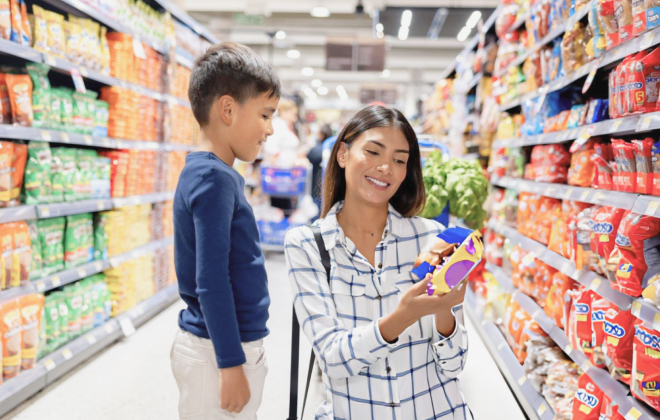
Reading ingredient labels is the first step. Look for:
Bright, unnatural hues in foods, especially if the colour doesn’t match the natural ingredient
While it’s not necessary or realistic to eliminate all processed foods, parents can take practical steps to reduce their children’s exposure to artificial food colouring.
An elimination diet may be beneficial if:
This should be done under the guidance of a paediatrician or registered dietitian to ensure nutritional balance.
If you’re concerned about your child’s behaviour or reactions to food, talk to your paediatrician. They may recommend:
While individual choices matter, systemic change is needed to protect children at scale.
Organizations like the Malaysian Paediatric Association and the Nutrition Society of Malaysia can play a key role in advocating for these changes.
Artificial food colouring is deeply embedded in modern diets, including those of Malaysian children. While regulatory bodies maintain current safety standards, emerging research suggests potential risks, especially on behaviour and attention.
Parents don’t need to fear every colourful treat, but they should be informed. Small changes, like choosing natural alternatives and reading labels, can make a meaningful difference.
Healthcare providers, schools, and policymakers also have a role to play in creating a safer food environment for children. By combining individual action with public health initiatives, Malaysia can lead the way in promoting healthier, additive-conscious nutrition for the next generation.
The message is clear; what we feed our children matters, not just for their physical growth, but for their mental and emotional development too. By uncovering the health effects of artificial food colouring, we take one step closer to a healthier, brighter future.
Source:
Spread the love, follow us on our social media channels