

Appointments
+(603) 5515 1966
General Line
+(603) 5515 1888

 October 21, 2026
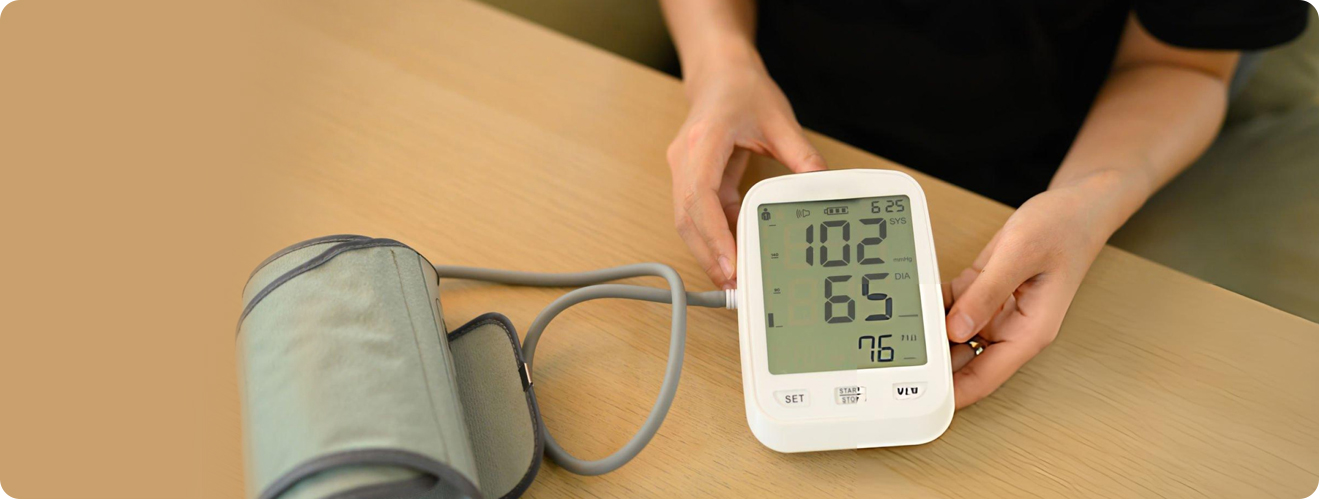
You sit down for a health screening, a cuff is wrapped around your arm, and a machine gives you two numbers: 128/82 mmHg. Is that normal? Is 140/90 dangerous? And what exactly do the top and bottom numbers tell you? Blood pressure is one of the simplest health measurements, but it is also one of the most important. High blood pressure, or hypertension, often develops without obvious symptoms. You may feel perfectly healthy while persistently elevated blood pressure is quietly putting extra strain on your heart and blood vessels.
For Malaysians, understanding your blood pressure readings is an important part of preventive healthcare. The Ministry of Health Malaysia (MOH) defines hypertension as persistent elevation of systolic blood pressure to 140 mmHg or higher and/or diastolic blood pressure to 90 mmHg or higher. The good news is that blood pressure is easy to check, and high blood pressure can often be managed effectively with lifestyle changes, medication, or a combination of both.
Blood pressure is the force exerted by circulating blood against the walls of your arteries. Every time your heart beats, it pumps blood into the arteries. This creates pressure within the blood vessels. Between heartbeats, the heart relaxes and the pressure falls. This is why a blood pressure reading is always written as two numbers, such as: 120/80 mmHg The first number is the systolic blood pressure, while the second is the diastolic blood pressure. The unit mmHg means millimetres of mercury.
Understanding the difference between systolic and diastolic pressure makes it much easier to interpret your reading.
The systolic number is the pressure in your arteries when your heart contracts and pumps blood out. For example, in a reading of 130/80 mmHg, the systolic pressure is 130 mmHg. A persistently high systolic pressure means your arteries are experiencing increased pressure each time your heart pumps.
The diastolic number measures the pressure in your arteries while your heart relaxes between beats. In a reading of 130/80 mmHg, the diastolic pressure is 80 mmHg. Both numbers are important. Sometimes the systolic pressure is elevated while the diastolic pressure is not. This is particularly common as people get older and is known as isolated systolic hypertension.
Blood pressure naturally changes throughout the day. It can rise temporarily when you exercise, feel stressed, drink caffeinated beverages, smoke or experience pain. For adults, the Malaysian Ministry of Health defines persistent hypertension as systolic blood pressure of 140 mmHg or higher and/or diastolic blood pressure of 90 mmHg or higher. Diagnosis should be based on appropriate repeated measurements rather than a single isolated reading.
As a general guide:
| Blood pressure reading | General interpretation |
|---|---|
| Below 120/80 mmHg | Generally within the normal range |
| 120–139 / 80–89 mmHg | Above ideal and may warrant lifestyle attention and monitoring |
| 140/90 mmHg or higher | May indicate hypertension if persistently elevated |
| Around 180/120 mmHg or higher | Severely elevated and requires prompt assessment, particularly if symptoms are present |
These figures should not be used to diagnose yourself. Your doctor will consider repeated readings, your medical history and other cardiovascular risk factors when deciding whether you have hypertension and what treatment you may need. The World Health Organization also defines clinical hypertension in adults as systolic blood pressure of 140 mmHg or higher and/or diastolic blood pressure of 90 mmHg or higher, confirmed on measurements taken on different days.
Not necessarily. Blood pressure can temporarily increase for many reasons, including:
This is why one unexpected high reading does not automatically mean that you have hypertension. If your blood pressure is higher than usual, sit quietly and repeat the measurement using the correct technique. If your readings continue to be elevated, keep a record and discuss them with your doctor. The Malaysian hypertension guideline recommends repeated blood pressure measurements as part of assessment, while home blood pressure monitoring can be useful for monitoring blood pressure control.
One of the biggest challenges with hypertension is that most people do not feel anything unusual. You can have high blood pressure without headaches, dizziness or any other obvious warning sign. This means you should not wait until you feel unwell before checking your blood pressure.
The WHO notes that many people with hypertension are unaware that they have it because they have no symptoms. Regular blood pressure measurement is therefore one of the most important ways to detect the condition. For Malaysians, routine blood pressure checks can be particularly useful during health screenings, clinic visits or other healthcare appointments.
Hypertension usually develops through a combination of factors rather than one single cause. Some risk factors cannot be changed, including:
Other factors are potentially modifiable, including:
Lifestyle and environmental factors can also contribute to cardiovascular risk. The WHO identifies high salt intake, physical inactivity, overweight and obesity, tobacco use and excessive alcohol consumption among important modifiable risk factors for hypertension.
Persistently high blood pressure puts extra strain on blood vessels and important organs. Over time, uncontrolled hypertension can increase the risk of serious health problems.
The heart has to work harder when it pumps against increased pressure. Over time, this can contribute to heart disease, heart failure and other cardiovascular complications.
High blood pressure is a major risk factor for stroke. Damage to blood vessels can make them more likely to become blocked or rupture.
The kidneys contain an extensive network of small blood vessels. Persistent high blood pressure can damage these vessels and affect kidney function.
High blood pressure can also damage small blood vessels supplying the eyes and contribute to vision problems. This is why controlling blood pressure is about more than simply improving a number on a machine. It is about reducing the long-term risk of damage to the heart, brain, kidneys and other organs.
Whether your blood pressure is measured at a clinic or at home, the way it is taken can affect the result.
For a more reliable measurement:
If you are monitoring your blood pressure at home, use a reliable automated device and follow the instructions provided with the monitor.
Sit with your:
Your arm should be supported at approximately heart level. The Malaysian hypertension guideline highlights proper blood pressure measurement and notes that home blood pressure monitoring can be useful for monitoring blood pressure control.
A single reading is only a snapshot. If you are checking your blood pressure at home, take repeated readings according to your healthcare provider’s instructions and record the results. Keeping a simple log can help your doctor identify patterns and determine whether your blood pressure is consistently high or only occasionally elevated.
While much of the discussion around blood pressure focuses on hypertension, blood pressure can also be unusually low. Some people naturally have lower blood pressure and have no problems at all. However, low blood pressure can become a concern when it causes symptoms. Possible symptoms include:
There are many possible causes, including dehydration, blood loss, certain medications and heart-related conditions. If you regularly feel dizzy or faint, especially when standing up, speak with your doctor. Do not assume that simply drinking more water or increasing salt intake is the appropriate solution without first finding out what is causing the problem.
If your blood pressure reading is higher than usual, don’t panic – but don’t ignore it either. Start by checking that the measurement was taken correctly. Sit quietly and repeat the reading. If your blood pressure remains elevated or you repeatedly obtain readings of 140/90 mmHg or above, arrange an appointment with your doctor. Your doctor may:
The Malaysian CPG recommends treatment decisions based on repeated blood pressure measurements and the person’s overall cardiovascular risk rather than relying on a single number alone.
For many people, lifestyle changes are an important part of managing hypertension.
Salt is a particularly relevant consideration in the Malaysian diet. Sodium can be found not only in table salt but also in many foods and condiments, including:
Reducing salt does not necessarily mean making food tasteless. Try using herbs, spices, garlic, ginger, chilli, lime and other natural flavourings instead.
Regular physical activity can help support healthy blood pressure and cardiovascular health. Brisk walking, cycling, swimming and other moderate activities can be incorporated into your routine. Strength exercises can also support overall health. If you have an existing medical condition or have not exercised for a long time, ask your healthcare provider about an appropriate level of activity.
Being overweight or obese can increase the risk of hypertension. If you are above your healthy weight, gradual and sustainable weight loss can help improve blood pressure and overall cardiovascular health.
Smoking damages blood vessels and increases the risk of heart disease and stroke. If you smoke, quitting is one of the most valuable steps you can take for your cardiovascular health.
Excessive alcohol consumption can contribute to high blood pressure. If you drink alcohol, discuss what level is appropriate for you with your healthcare provider, particularly if you have hypertension or take medication.
Lifestyle changes are important, but some people will also need medication to control their blood pressure. If your doctor prescribes medication, take it exactly as directed. Do not stop your blood pressure medication simply because your reading has improved. A better reading may mean that the treatment is working. If you experience side effects or have concerns about your medication, speak with your doctor.
There is no single target that is appropriate for every person. Your doctor may consider:
The Malaysian hypertension guideline provides treatment targets and recommendations according to individual clinical circumstances. In general, maintaining blood pressure below 140/90 mmHg is an important treatment goal for many adults, while some patients may have different targets depending on their health profile. Therefore, its more useful to ask your doctor “What is the right blood pressure target for me?” than to compare your reading with a family member or friend.
A blood pressure reading around 180/120 mmHg or higher is severely elevated and should be taken seriously. If you obtain a very high reading, rest quietly and repeat the measurement. If it remains severely elevated, seek prompt medical assessment. More importantly, seek emergency medical attention immediately if very high blood pressure is accompanied by symptoms such as:
Very high blood pressure accompanied by symptoms may indicate acute damage to vital organs and requires urgent assessment. Do not try to rapidly lower a severely elevated blood pressure on your own by taking extra doses of medication unless a healthcare professional has specifically instructed you to do so.

The answer depends on your age, health and whether you have been diagnosed with hypertension. If your blood pressure is normal and you have no significant risk factors, your doctor may recommend checking it periodically as part of routine health assessments.
If you have hypertension, your healthcare provider may recommend more frequent monitoring at home or in a clinic. People with conditions such as diabetes, kidney disease or cardiovascular disease may also require closer monitoring. The important thing is consistency. A blood pressure reading taken once every few years tells you far less than regular monitoring when it is clinically indicated.
Your blood pressure numbers may look simple, but they provide valuable information about how your cardiovascular system is functioning. Remember:
A single unusual reading does not necessarily mean you have hypertension. However, repeated readings of 140/90 mmHg or higher should be assessed by a healthcare professional. Because hypertension often causes no symptoms, checking your blood pressure is one of the simplest ways to identify a potential problem early.
For Malaysians, this is particularly relevant as part of routine preventive healthcare. Know your numbers, keep track of them when necessary, and speak to your doctor if they are consistently elevated. A healthier blood pressure today can mean a healthier heart, brain and kidneys in the years ahead.
Medical Disclaimer: This article is intended for general health education and does not replace professional medical advice, diagnosis or treatment. Blood pressure targets and treatment plans vary according to an individual’s age, medical history, cardiovascular risk and other health conditions. If you have consistently high or low blood pressure, or experience symptoms that concern you, consult a qualified healthcare professional. For symptoms suggesting a medical emergency, seek immediate medical attention.
Yes. The Ministry of Health Malaysia defines hypertension as persistent systolic blood pressure of 140 mmHg or higher and/or diastolic blood pressure of 90 mmHg or higher. However, a diagnosis should not normally be made from one isolated reading. Repeated measurements are important.
A reading of 120/80 mmHg is commonly regarded as a healthy adult blood pressure level. However, blood pressure naturally varies throughout the day, and your
overall health and repeated readings are more meaningful than a single measurement.
Rest quietly and repeat the measurement. If it remains around 180/120 mmHg or higher, seek prompt medical advice. If you also have chest pain, difficulty breathing, weakness, confusion, difficulty speaking, sudden vision changes or another serious symptom, seek emergency medical care immediately.
Yes. In fact, most people with hypertension do not experience obvious symptoms. Regular blood pressure checks are therefore important even if you feel completely well.
Yes. Reducing salt intake, being physically active, maintaining a healthy weight, stopping smoking and limiting alcohol can all help lower blood pressure. Some people will still require medication, depending on their blood pressure and overall cardiovascular risk.
References:
Spread the love, follow us on our social media channels