

Appointments
+(603) 5515 1966
General Line
+(603) 5515 1888

 October 24, 2026

Malaysia’s warm, humid climate is something most of us are accustomed to. But when temperatures rise and we spend long periods outdoors, the heat can put considerable stress on the body. Whether you are commuting, working outdoors, exercising, attending a school or sporting event, travelling, or simply spending an afternoon outside, prolonged exposure to heat can lead to heat exhaustion. If the condition is not recognised and treated promptly, it can progress to heat stroke, a potentially life-threatening medical emergency. This is particularly important in Malaysia, where high temperatures can occur throughout the year and high humidity can make it harder for sweat to evaporate and cool the body effectively. Knowing the difference between heat exhaustion and heat stroke – and recognising the warning signs early – can help protect you and your family.
Heat exhaustion occurs when the body loses too much water and salt, usually through prolonged sweating in hot conditions. Normally, the body keeps itself cool by sweating and increasing blood flow to the skin. In Malaysia’s hot and humid weather, this cooling system has to work harder. If you lose more fluid than you replace, your body may struggle to regulate its temperature. Heat exhaustion is serious and requires prompt attention. Without appropriate cooling and hydration, it can progress to heat stroke.
Look out for:
Someone experiencing heat exhaustion is usually still conscious and able to communicate, although they may feel extremely weak or unwell. If symptoms appear after spending considerable time in the heat, stop the activity and begin cooling measures immediately.
Heat stroke is the most severe form of heat-related illness. It happens when the body’s temperature regulation system becomes overwhelmed and body temperature rises to dangerous levels. Heat stroke can affect the brain and other vital organs and may result in permanent disability or death if treatment is delayed. Heat stroke is a medical emergency. In Malaysia, call 999 for emergency medical assistance if you suspect someone is experiencing heat stroke.
A common misconception is that someone with heat stroke will always have dry skin. That is not necessarily the case. A person experiencing heat stroke after strenuous physical activity may continue to sweat. More important warning signs include confusion, unusual behaviour, slurred speech, poor coordination, seizures or loss of consciousness. Do not wait for sweating to stop before seeking help.
It is important to recognise when heat illness has become an emergency.
| Heat Exhaustion | Heat Stroke |
|---|---|
| Heavy sweating is common | Skin may be hot; sweating may or may not occur |
| Weakness and fatigue | Severe weakness or collapse |
| Headache and dizziness | Confusion or altered mental state |
| Nausea or vomiting | Seizures may occur |
| Muscle cramps | Loss of consciousness may occur |
| Person is generally alert | Person may be confused, unconscious or unresponsive |
| Requires prompt cooling and fluids | Requires immediate emergency medical treatment |
The two conditions can overlap, and it may not always be possible to determine the severity yourself. If someone develops confusion, seizures, collapse or loss of consciousness after heat exposure, treat it as heat stroke and call 999 immediately.
Heat exhaustion can develop gradually. Someone may initially complain only of feeling tired or thirsty before more obvious symptoms appear.
Sweating is the body’s natural way of cooling itself. Heavy sweating after walking, exercising or working outdoors is not necessarily dangerous. However, when it occurs together with dizziness, weakness, headache, nausea or muscle cramps, it may be a warning sign of heat exhaustion.
Feeling light-headed or faint can indicate that the body is struggling to cope with heat or fluid loss. Stop the activity and move to a cooler environment.
A headache accompanied by nausea, weakness or excessive sweating should not be dismissed as simply being tired from the heat.
Heat cramps commonly affect the legs, arms or abdomen and can occur when significant amounts of water and electrolytes are lost through sweating.
Someone who suddenly becomes weak or unable to continue a normal activity should not be encouraged to “push through” the heat. This can be particularly important for outdoor workers, athletes and children participating in school activities.
Heat stroke can develop quickly and requires emergency medical attention.
This is one of the most important warning signs. A person may:
These symptoms indicate that the brain may be affected by extreme heat.
A seizure following significant heat exposure is a medical emergency. Call 999 immediately.
A person with heat stroke may collapse, become unconscious or be difficult to wake. Do not assume that they are simply exhausted or sleeping.
Heat stroke is associated with a dangerously high core body temperature, often around 40°C or higher. However, you should not delay treatment while trying to obtain an exact temperature reading. If someone has been exposed to significant heat and develops confusion, altered consciousness, seizures or collapse, seek emergency help immediately.
If you suspect heat exhaustion, act promptly.
Bring them indoors, preferably into an air-conditioned environment. If that is not possible, move them into shade or somewhere with good ventilation. Stop all physical activity.
Remove unnecessary or tight clothing. Apply cool, wet towels or cloths to the skin. A fan can also help. If facilities are available, a cool shower or bath can help lower body temperature.
If the person is awake and able to swallow safely, encourage them to drink cool water. An appropriate electrolyte-containing drink may also help replace fluid and electrolytes lost through sweating. Do not force fluids on someone who is confused, unconscious, having seizures or unable to swallow safely.
The person should begin to feel better after cooling and rehydration. If symptoms become worse, do not improve, or signs of heat stroke appear, seek emergency medical care immediately.
Call 999 immediately. Do not wait to see if the person gets better on their own. While waiting for emergency medical assistance:
Rapid cooling is critical because prolonged exposure to dangerously high body temperatures can cause damage to the brain and other organs.
Anyone can develop heat exhaustion or heat stroke. However, certain people are more vulnerable.
Construction workers, agricultural workers, landscapers, road workers, delivery riders and other outdoor workers may spend several hours exposed to heat. Employers and workers should ensure there are opportunities for rest, adequate drinking water and appropriate measures to reduce prolonged heat exposure.
Children can be particularly vulnerable during outdoor activities. School sports, outdoor assemblies, co-curricular activities, camps and other activities should include adequate opportunities for hydration, shade and rest, especially during periods of high heat. Parents should also be alert to symptoms after children return from outdoor activities.
Older adults may be more vulnerable to heat-related illness, particularly if they have chronic medical conditions or take medicines that affect hydration or temperature regulation. During particularly hot weather, check regularly on older family members and neighbours.
People with conditions such as heart disease, kidney disease or diabetes may have a higher risk of complications during extreme heat. Some medications can also affect sweating, blood pressure or the body’s ability to regulate temperature. If you take regular medication, ask your doctor or pharmacist whether you need additional precautions in hot weather. Do not stop prescribed medication on your own.
Running, cycling, hiking, football, badminton tournaments and other physical activities can increase the body’s heat production. This risk becomes greater when exercise is intense, prolonged or performed during the hottest part of the day.
For people observing fasting periods such as Ramadan, maintaining adequate hydration during non-fasting hours becomes particularly important in hot weather. If you are fasting and need to spend prolonged periods outdoors or perform strenuous physical activity, plan ahead and discuss any health concerns with your healthcare provider, particularly if you have an existing medical condition.
Temperature is not the only factor that determines how hot your body feels. Humidity matters too. When the air contains a lot of moisture, sweat does not evaporate as efficiently from the skin. This reduces the body’s ability to cool itself through sweating. This is one reason why a hot and humid Malaysian afternoon can feel particularly exhausting, especially during exercise or physical work. During periods of high heat, pay attention not only to the temperature but also to how your body is responding.
A few practical habits can significantly reduce the risk.
Do not wait until you are extremely thirsty before drinking. Carry a bottle of water when heading outdoors, particularly for exercise, work or travel. If you are sweating heavily for prolonged periods, an appropriate electrolyte-containing drink may sometimes be useful.
Where possible, schedule strenuous activities during cooler periods of the day. For example, if you exercise outdoors, consider going early in the morning or later in the evening rather than during the hottest part of the afternoon.
Outdoor workers and people exercising should take regular breaks in a shaded, cool or air-conditioned location. Don’t wait until you feel unwell before taking a break.
Choose loose-fitting, lightweight and breathable clothing. A hat, umbrella or other form of shade can also reduce direct exposure to the sun.
Malaysia has many outdoor activities throughout the year, from school sports days and community events to marathons, cycling events and festivals. If you are attending one, bring water, take regular breaks and know where the first-aid or medical facilities are located.
A parked vehicle can become dangerously hot very quickly. Never leave a child, older adult or anyone who may be unable to exit the vehicle independently alone inside a parked car, even if the windows are partially open or you expect to be away only briefly.
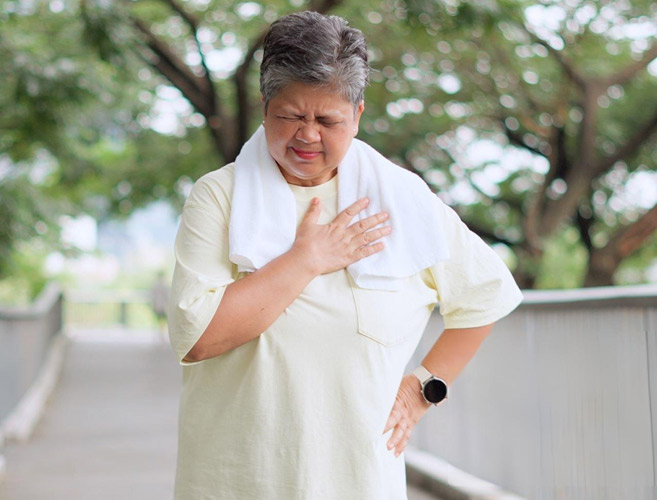
Exercise produces additional body heat. In Malaysia’s climate, this can make strenuous outdoor activity particularly challenging. Warning signs during exercise include:
If these symptoms develop, stop exercising immediately and move somewhere cooler. Do not treat dizziness or weakness as something you simply need to “work through”. If confusion, collapse, seizures or loss of consciousness occur, call 999.
Seek urgent medical attention if a person exposed to heat develops:
Do not wait for all the symptoms to appear. If you suspect heat stroke, call 999 and start cooling the person while waiting for emergency assistance. Heat stroke can cause permanent organ damage and can be fatal if treatment is delayed.
Heat-related illness is not limited to people who work outdoors. In Malaysia, heat exposure can occur during the school run, a morning jog, a football match, a hiking trip, a construction shift, a family outing or even while waiting outdoors for public transport. Heat exhaustion is a warning that your body is struggling to cope with heat and fluid loss. Heat stroke is much more serious and can become life-threatening within a short period. Remember the key symptoms:
The best approach is to prevent heat illness whenever possible. Drink regularly, take breaks, choose cooler times for strenuous activities and pay extra attention to children, older adults, outdoor workers and people with underlying health conditions. And if you suspect heat stroke, don’t wait. Call 999 and begin cooling the person immediately. Recognising the warning signs early could save a life.
Yes. Malaysia’s hot and humid climate can contribute to heat-related illness. The risk increases during prolonged outdoor exposure, strenuous physical activity, inadequate fluid intake and periods of particularly high temperatures.
There is no single first symptom for everyone. Heavy sweating, thirst, tiredness, dizziness, headache, muscle cramps and nausea are common early warning signs. If these occur after heat exposure, stop the activity and move to a cooler place.
Call 999 immediately. Move the person to a cool place, remove unnecessary clothing and begin cooling them with cool wet towels, fans or a cool bath or shower if safe to do so. Do not give drinks to someone who is confused, unconscious or having seizures.
No. A person experiencing heat stroke may continue to sweat, particularly when heat stroke develops during strenuous physical activity. Confusion and changes in consciousness are more important warning signs.
Make sure children drink regularly, take breaks from outdoor activities and have access to shade or air-conditioning. Avoid prolonged strenuous activity during the hottest periods of the day and teach children to tell an adult if they feel dizzy, weak, nauseous or unwell.
Medical Disclaimer: This article is intended for general health education and does not replace medical advice. If you or someone around you develops symptoms of suspected heat stroke, seek emergency medical assistance immediately by calling 999.
Spread the love, follow us on our social media channels