

Appointments
+(603) 5515 1966
General Line
+(603) 5515 1888

 October 19, 2026

Pregnancy is a time when your nutritional needs change, but eating well does not have to mean following a complicated diet. A balanced pregnancy diet should provide the energy, protein, vitamins and minerals needed to support your health and your baby’s growth.
You may also find yourself asking practical questions: What foods are best during pregnancy? Can I eat fish? How much caffeine is safe? Do I need to avoid certain cheeses? Can I still eat my favourite foods? The good news is that most foods can be part of a healthy pregnancy diet. The key is to eat a varied diet, choose nutrient-rich foods regularly and take appropriate precautions against foodborne illness.
There is no single “perfect” pregnancy diet. Instead, aim for a variety of foods from the main food groups. A balanced diet during pregnancy can include:
A varied diet helps provide the nutrients you and your developing baby need. You do not need to get every nutrient in perfect balance at every meal; focus on your overall eating pattern across the day and week.
Fruit and vegetables provide fibre, vitamins and minerals and can help support healthy digestion. Aim to include a variety of colours and types, such as:
Fresh, frozen and canned options can all be nutritious. Wash fresh produce thoroughly before eating or preparing it to reduce the risk of foodborne illness.
Carbohydrates provide energy during pregnancy. Choose higher-fibre options where possible, such as:
Fibre can also help prevent constipation, which is a common pregnancy complaint.
Protein is important for your baby’s growth and development and should be included regularly. Good choices include:
If you follow a vegetarian or vegan diet, speak with your doctor or dietitian about making sure you receive enough protein, iron, vitamin B12 and other nutrients.
Calcium supports the development of your baby’s bones and teeth and is also important for your own health. Good sources include:
Choose pasteurised dairy products and check labels if you are unsure.
A healthy diet provides many nutrients, but pregnancy increases the importance of certain vitamins and minerals.
Folic acid is particularly important in early pregnancy because it helps reduce the risk of neural tube defects. If you are planning a pregnancy or are pregnant, discuss the appropriate folic acid supplement with your healthcare professional. Food sources include leafy green vegetables, beans, peas and fortified foods, but supplementation is recommended because diet alone may not provide sufficient folic acid.
Pregnancy increases your need for iron because your body produces more blood to support you and your baby. Iron-rich foods include:
Your healthcare provider may recommend an iron supplement, particularly if blood tests show that your iron levels are low.
Calcium is needed for your baby’s developing bones and teeth. Dairy foods and calcium-fortified alternatives can be useful sources. If you avoid dairy products, ask your doctor or dietitian about suitable alternatives and whether supplementation is appropriate.
Iodine, vitamin D, vitamin B12, choline and omega-3 fatty acids also play important roles during pregnancy. Your individual needs depend on your diet, health, pregnancy and local recommendations. Rather than taking multiple supplements on your own, discuss pregnancy vitamins with your healthcare professional. Some supplements can contain excessive amounts of particular nutrients.
Pregnancy does not mean you need to double your food intake. You may become hungrier as pregnancy progresses, but quality and variety are more important than simply eating larger portions. Instead of focusing on “eating for two”, aim for balanced meals containing vegetables or fruit, a high-fibre carbohydrate, a protein source and a suitable source of healthy fats. If you are unsure how much you should eat or are concerned about weight gain during pregnancy, your doctor or dietitian can provide personalised guidance.
Yes. Fish can be an excellent food during pregnancy, providing protein and nutrients including omega-3 fatty acids. However, some fish contain higher levels of mercury, which can be harmful to a developing baby if consumed in excessive amounts.
Choose a variety of fish that are lower in mercury and follow the recommendations applicable to your country. The FDA advises pregnant women to consume 8–12 ounces (approximately 225–340 grams) per week of a variety of lower-mercury fish.
Avoid high-mercury fish such as:
Different countries may have additional recommendations about specific fish and serving limits, so check local guidance when necessary.
Raw or undercooked fish and shellfish can carry bacteria or parasites. For this reason, food safety authorities recommend avoiding raw or undercooked seafood during pregnancy. Cooked seafood is generally a safer choice.
Most foods are safe during pregnancy, but certain foods carry increased risks of food poisoning, excessive mercury exposure or harmful levels of particular nutrients.
Avoid raw or undercooked meat, poultry, fish and shellfish because they can carry harmful bacteria or parasites. Cook meat thoroughly and follow safe food-handling practices to reduce the risk of foodborne infections.
Avoid unpasteurised milk and dairy products because they can contain harmful bacteria such as Listeria. Check food labels when buying milk, cheese, yoghurt or other dairy products.
Some soft, mould-ripened or blue-veined cheeses may carry a risk of listeria. Recommendations vary depending on the product and whether it has been thoroughly cooked. If you are unsure whether a cheese is safe, check the label or ask your healthcare professional.
Liver and liver products contain high levels of vitamin A. Excessive vitamin A during pregnancy can harm fetal development. Avoid liver products and do not take supplements containing vitamin A or retinol unless specifically advised by your healthcare professional. Cod liver oil should also be avoided during pregnancy.
You do not necessarily need to give up coffee completely, but caffeine should be limited. It’s generally recommended to consuming no more than 200 mg of caffeine per day during pregnancy. Caffeine can be found in coffee, tea, cola, energy drinks, chocolate and some medicines or supplements. Because caffeine content varies considerably between drinks, check product labels where possible. If you are unsure how much caffeine you consume, keep track of all sources throughout the day rather than looking only at your coffee intake.
The safest approach is not to drink alcohol during pregnancy. Alcohol crosses the placenta and can affect a developing baby. There is no established safe level of alcohol consumption during pregnancy. If you have consumed alcohol before realizing you were pregnant, do not panic. Stop drinking and discuss your concerns with your doctor or maternity care provider.
Food safety is particularly important during pregnancy because some foodborne infections can cause serious complications.
These simple habits can significantly reduce the risk of foodborne illness.
Pregnancy can make you hungry between meals. Rather than relying mainly on foods high in sugar or saturated fat, choose snacks that provide useful nutrients. Examples include:
If nausea or heartburn makes large meals difficult, smaller meals and snacks throughout the day may be easier to tolerate.
Water should be your main drink. Staying hydrated is important, particularly in hot weather or if you are experiencing vomiting. Other suitable options can include pasteurised milk and appropriate unsweetened, calcium-fortified alternatives.
Be mindful of drinks containing caffeine and large amounts of added sugar. Herbal products and teas should also be used with caution because safety information for many herbal ingredients during pregnancy is limited.
Nausea and vomiting are common during pregnancy and can make healthy eating challenging. If you are struggling to tolerate certain foods, focus on what you can manage while continuing to aim for variety over time. Some women find it easier to:
If you cannot keep food or fluids down, are losing weight, feel dehydrated or have severe vomiting, contact your healthcare provider. You may need assessment and treatment for hyperemesis gravidarum or another condition.
If you have gestational diabetes, your nutritional needs should be discussed with your maternity care team or dietitian. You may need to pay particular attention to carbohydrate portions, meal timing, fibre and overall food choices while ensuring you and your baby receive adequate nutrition. Do not make major dietary restrictions during pregnancy without professional advice. A personalised meal plan can help you manage blood glucose while supporting healthy pregnancy nutrition.
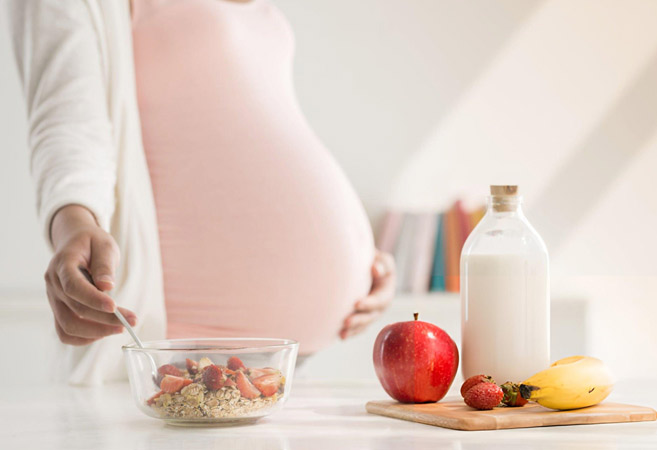
A practical way to build meals is to combine:
For example, a balanced meal could be grilled salmon with brown rice, steamed vegetables and a side of yoghurt. The exact portions depend on your individual nutritional needs, activity level, stage of pregnancy and health.
A healthy pregnancy diet does not require complicated rules. Focus on variety, balance, food safety and nutrient-rich choices. Eat plenty of vegetables and fruit, choose whole grains, include protein-rich foods and consume appropriate calcium-rich foods. Fish can be part of a healthy pregnancy diet, but choose lower-mercury varieties and avoid raw seafood and high-mercury fish.
Remember to take recommended pregnancy supplements, particularly folic acid, according to your healthcare provider’s advice. Limit caffeine to recommended levels and avoid alcohol. Most importantly, pregnancy nutrition is not one-size-fits-all. If you have diabetes, anaemia, severe nausea, food allergies, follow a vegetarian or vegan diet, or have other medical or nutritional concerns, speak with your doctor or a registered dietitian for personalised advice.
Medical disclaimer: This article is intended for general health education and does not replace medical advice, diagnosis or treatment. Pregnancy nutrition requirements can vary based on individual health, stage of pregnancy and local clinical recommendations. Consult your obstetrician, midwife, doctor or registered dietitian for personalised guidance.
There is no single “best” food. A varied diet containing vegetables, fruit, whole grains, protein-rich foods, dairy or calcium-fortified alternatives and healthy fats provides a broad range of nutrients needed during pregnancy.
Yes, but caffeine should be limited. The NHS recommends no more than 200 mg of caffeine per day during pregnancy. Remember that caffeine is also found in tea, cola, energy drinks, chocolate and some medicines.
Eggs can be an excellent source of protein and other nutrients. However, food-safety recommendations for raw or partially cooked eggs vary by country and egg production standards. If in doubt, choose eggs that have been thoroughly cooked.
Fish can be part of a healthy pregnancy diet. Choose a variety of lower-mercury fish and avoid high-mercury fish such as shark, swordfish, marlin, king mackerel and bigeye tuna. Raw or undercooked seafood should also be avoided.
Some supplements, particularly folic acid, are routinely recommended during pregnancy or when planning pregnancy. Iron or other supplements may also be recommended depending on your individual needs. Avoid taking supplements containing vitamin A or cod liver oil unless specifically advised by your healthcare professional.
Spread the love, follow us on our social media channels